

So, you’ve found "the one." You’ve toured the kitchen, imagined where your Christmas tree will go, and maybe even picked out a spot for the grill in the backyard. Buying a home is a whirlwind of emotions, but before you sign those final papers and get the keys to your new San Antonio sanctuary, there is one giant hurdle left: the home inspection.
Think of the home inspection as a "first date with the lights turned all the way up." It’s the moment where you look past the pretty staging and fresh paint to see what’s really going on behind the walls. In the Texas home buying process, this is your best chance to make sure you aren’t buying a "money pit."
If you are feeling a little nervous, don't worry! I’m Penny, and I’m here to walk you through exactly what to look for when you buy a home in San Antonio, TX.
What We’re Covering Today (Your Roadmap)
- The Big Stuff: Foundation and Structural Integrity.
- The Shell: Roofs, Siding, and the San Antonio Sun.
- The Guts: Electrical, Plumbing, and the All-Important HVAC.
- The Details: Windows, Doors, and Appliances.
- The Strategy: How to handle the report and negotiate.
- The FAQ: Answers to the most common San Antonio inspection questions.
- The Ultimate Checklist: A printable-style summary for your big day.
1. The Foundation: The "S" Word (Shifting)
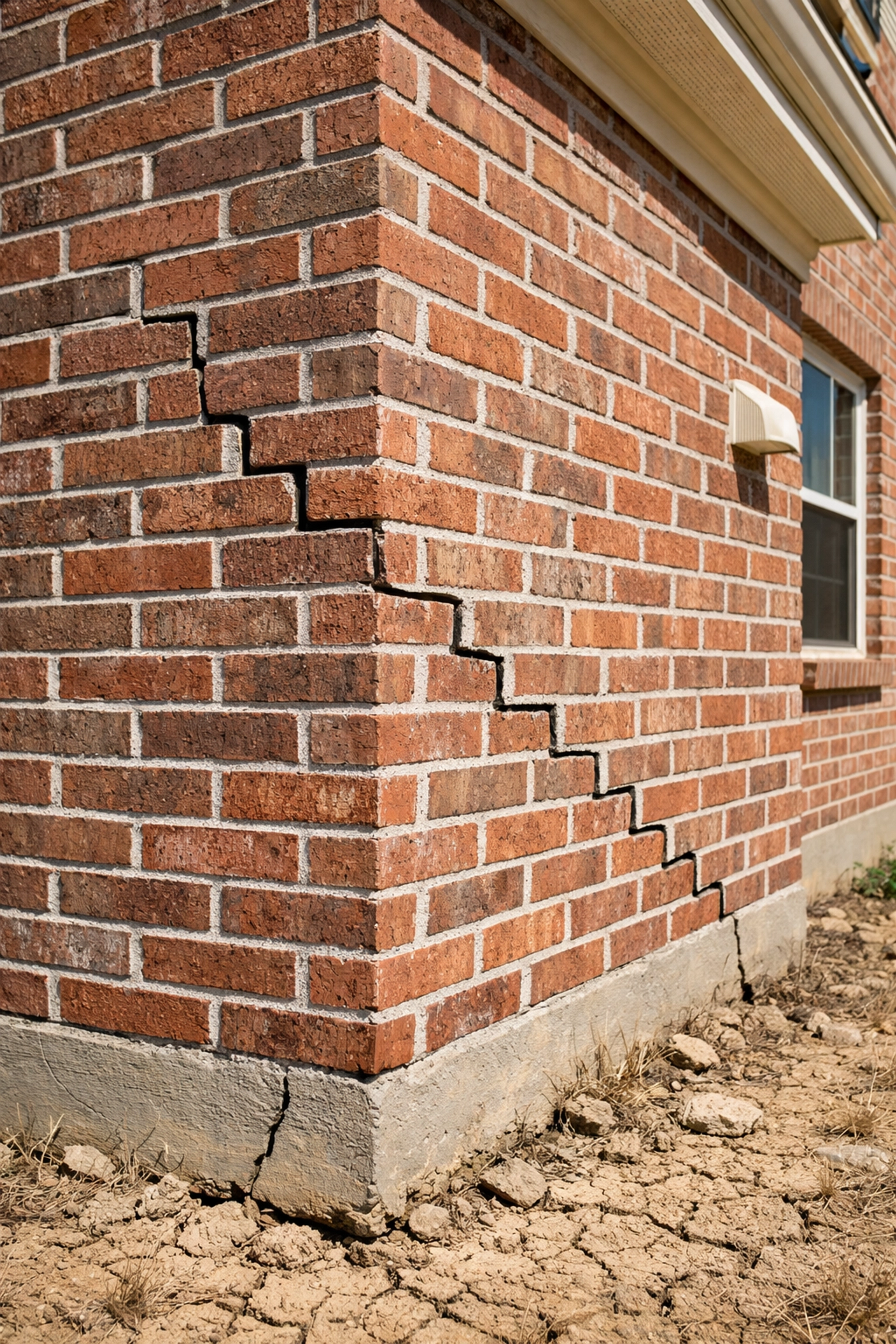
In San Antonio, we have a love-hate relationship with our soil. It’s mostly clay, which means it acts like a giant sponge. When it rains, it swells; when it’s 105 degrees in August, it shrinks. This movement is the #1 cause of foundation issues.
What to look for:
- Cracks in the exterior brick: Look for "stair-step" cracks. Small hairline cracks might be normal settling, but big gaps are a red flag.
- Interior wall cracks: Check above door frames and windows.
- Doors that stick: If you have to body-slam a door to get it to close, the house might be leaning.
- Uneven floors: Bring a marble! If it rolls to one side of the room on its own, you might have a slope.
What This Means For You:
Foundation repairs can be pricey. If the inspector finds issues, it doesn't mean you shouldn't buy the house, but it does mean you might want a structural engineer to take a second look. You can also use this information to negotiate the price down.
2. The Exterior: Weathering the Texas Elements
The San Antonio sun is brutal, and our occasional hailstorms are legendary. The exterior of the home takes a beating year-round.
Key Inspection Points:
- The Roof: This is a big one. Inspectors will look for missing shingles, "hail hits" (little dents), and soft spots. A roof in Texas usually lasts 15–20 years depending on the material.
- Siding and Trim: Look for "rot" near the ground. Wood siding can soak up water if it’s too close to the dirt.
- Gutters and Downspouts: These should carry water away from the foundation. If they are clogged or dumping water right at the base of the house, that’s a recipe for foundation trouble.
Pro Tip: If you're curious about how the local market is affecting home prices (and what you can afford to fix), check out our San Antonio Real Estate Market Update.
3. The HVAC: Your San Antonio Life-Support System
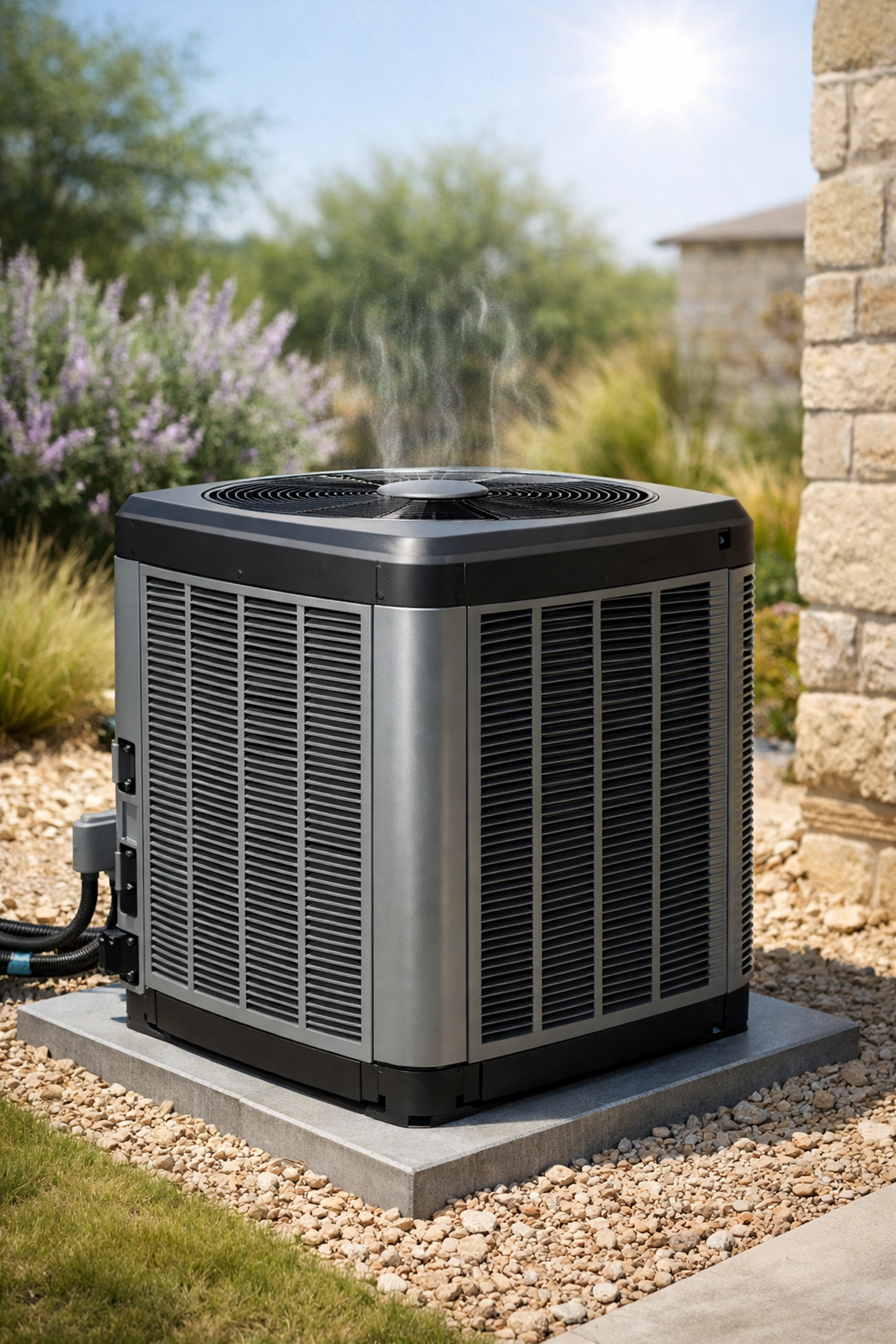
In some parts of the country, air conditioning is a luxury. In San Antonio, TX, it is a basic human right! If the AC goes out in July, you’ll know about it within minutes.
What the inspector checks:
- The Age of the Unit: Most units last about 10–15 years.
- Differential Temperature: They’ll measure the air coming in vs. the air blowing out. It should be a 15–20 degree difference.
- The Furnace: Even though we only use it for two weeks a year, it still needs to work safely!
What This Means For You:
If the AC is 14 years old and struggling, you need to budget for a replacement soon. This is a great item to bring up during the Texas home buying process negotiations.
4. Plumbing and Electrical: The Hidden Hazards
You don’t want to find out your shower leaks into the living room after you move in.
Plumbing Check:
- Water Pressure: Turn on the sinks and flush the toilets at the same time.
- Water Heater: Look for rust at the bottom and check the "born on" date. If it’s over 10 years old, it’s on borrowed time.
- Signs of Leaks: Look for water stains under sinks and on ceilings.
Electrical Check:
- The Panel: Are the breakers labeled? Is there any charred wood or "hot" smells?
- GFCI Outlets: These are the outlets with the little "test" buttons. They are required near water (kitchens and baths) to prevent shocks.
- Open Grounds: The inspector will use a little yellow plug to make sure your outlets are actually grounded.
5. Summary Table: Common Issues vs. Fixability
| Feature | Common Issue | How Serious Is It? |
|---|---|---|
| Foundation | Vertical or stair-step cracks | High – Needs expert evaluation. |
| Roof | Hail damage or old age | Medium/High – Depends on insurance. |
| HVAC | Unit over 12 years old | Medium – Budget for replacement. |
| Electrical | Non-GFCI outlets in kitchen | Low – Easy and cheap fix. |
| Plumbing | Slow drains or leaky faucets | Low – Simple plumbing repair. |
6. How to Handle the Inspection Report
When you get your report back, it’s going to be long. Like, 40-to-60-pages long. Don't panic! Inspectors are paid to find every single tiny scratch and loose screw.
Steps to take:
- Read the Summary: Focus on the "Major Deficiencies" first.
- Ask for Estimates: If there is a big issue, call a contractor to see what it would cost to fix.
- Talk to Your Realtor: Discuss which items are "deal-breakers" and which are just "weekend DIY projects."
- Negotiate: You can ask the seller to fix the items, give you a credit at closing, or lower the sales price.
If you’re a first-time buyer and feeling overwhelmed by these steps, our Step-by-Step Guide for First-Time Buyers is a great resource to keep nearby.

7. Frequently Asked Questions (FAQ)
Q: Do I really need an inspection for a brand-new home?
A: YES! Even new builders make mistakes. We’ve seen brand-new homes with disconnected sewer lines or missing insulation. Always get a third-party inspection.
Q: How much does an inspection cost in San Antonio?
A: Usually between $400 and $600, depending on the size of the home. It’s the best money you’ll ever spend to buy a home.
Q: Can a house "fail" an inspection?
A: No. An inspection isn't a pass/fail grade. It’s a "condition report." It’s up to you to decide if the condition is something you can live with.
Q: Should I be there during the inspection?
A: Absolutely. Show up for the last 30 minutes. The inspector can walk you around and show you exactly what they found. It’s much easier to understand in person than on paper.
8. Your San Antonio Inspection Checklist (The Quick Version)
Before you head to the house, keep these "Top 10" items in mind to check for yourself:
- Foundation: Are there cracks in the brick or interior walls?
- Roof: Does the roof look patchy or are shingles missing?
- Grading: Does the dirt slope away from the house?
- HVAC: Does the air feel cold? Is the outside unit making a loud grinding noise?
- Windows: Do they open and close easily, or are they painted shut?
- Ceilings: Are there any yellow or brown water spots?
- Appliances: Do the stove burners all turn on? Does the dishwasher leak?
- Attic: Is there visible insulation, or can you see the "floor" of the attic?
- Electrical: Do the lights flicker when you turn on a large appliance?
- Odors: Do you smell "musty" or "damp" scents in the closets or basement areas?

Final Thoughts
Buying a home in San Antonio, TX is a huge milestone. While the inspection might seem scary, it’s actually your most powerful tool. It gives you the information you need to move forward with confidence: or the evidence you need to walk away if the house isn't right for you.
Remember, no house is perfect. Even a "perfect" house will have a list of minor repairs. The goal is to make sure the big, expensive stuff is solid so you can focus on making your new house a home.
Ready to start your journey? If you’re looking for help with the financial side, don't miss our guide on Texas First-Time Homebuyer Programs. We're here to help you every step of the way at 1st Home Texas!
Happy House Hunting!
